Best Home Remodeling Upgrades for Comfort and Functionality
A good remodel changes the way a house feels at 7 a.m. And again at 10 p.m. It shows up in small moments, the hallway that no longer feels dim and narrow, the shower that warms quickly and drains properly, the kitchen where two people can cook without bumping into each other. Comfort and functionality are not flashy ideas, but they are the reason certain renovations still feel smart ten years later while trend-driven projects age badly.
Homeowners often begin with a visual goal. They want a brighter kitchen, a larger primary suite, a cleaner exterior. Those wishes are valid, but the most successful home remodeling projects go a step further. They solve daily friction. They reduce noise, improve storage, make rooms easier to cool and heat, and create a layout that supports the way the household actually lives. That practical layer is what separates a pretty renovation from a useful one.
I have seen expensive remodels miss the mark because every dollar went into surface finishes while the real problems stayed in place. The island got bigger, but the walkways remained https://www.google.com/search?kgmid=/g/11b7jyksps&uact=5#lpstate=pid:-1 tight. The bathroom got prettier, but ventilation was still weak and moisture kept collecting around the windows. On the other hand, I have also seen modest budgets stretch impressively far when a homeowner focused on how the space should function first and look second. Better lighting, stronger insulation, improved circulation, and sensible storage can make a home feel more luxurious than a decorative upgrade ever will.
Start with the house you actually have
Every house comes with its own logic, and fighting that logic is usually expensive. A 1950s ranch, a split-level, and a newer two-story home each present different opportunities and limits. Before choosing upgrades, it helps to understand where the house underperforms now.
In older homes, comfort issues often trace back to the building envelope and the mechanical systems. Drafty windows, thin attic insulation, undersized HVAC returns, and poor bathroom exhaust can make a house feel tired no matter how fresh the paint looks. In newer homes, the issue is sometimes layout rather than structure. Builders may have maximized square footage while shortchanging storage, acoustic privacy, or flexible workspace.
This is where a seasoned general contractor earns their value. A good one does not just price what you ask for. They notice that the laundry room backs up to a noisy bedroom wall, or that the kitchen bottleneck will remain even after new cabinets unless the pantry is rethought. In markets where homes vary widely by age and construction style, local knowledge matters. If you are planning home remodeling Sherman Oaks homeowners often benefit from working with professionals who understand hillside conditions, older framing quirks, and the permitting expectations that come with substantial renovations in that area.
The upgrades that deliver the biggest day-to-day payoff
When people ask what improvements matter most, I tend to answer with a combination of comfort, usability, and resilience. Not every home needs every upgrade, but these categories consistently improve how a house performs.
- Improve insulation, air sealing, and HVAC distribution before chasing cosmetic upgrades.
- Rework kitchens for circulation, storage, and task lighting, not just larger islands.
- Upgrade bathrooms for ventilation, lighting, and accessibility as much as style.
- Add built-in storage where clutter naturally accumulates, near entries, bedrooms, and utility spaces.
- Invest in windows, doors, and sound control where heat gain, drafts, or noise are persistent problems.
That list may not look glamorous, but these are the changes homeowners talk about years later. Nobody forgets the first summer when upstairs bedrooms stay cool, or the first winter when cold spots near the living room windows disappear.
Kitchens that work harder, not just look newer
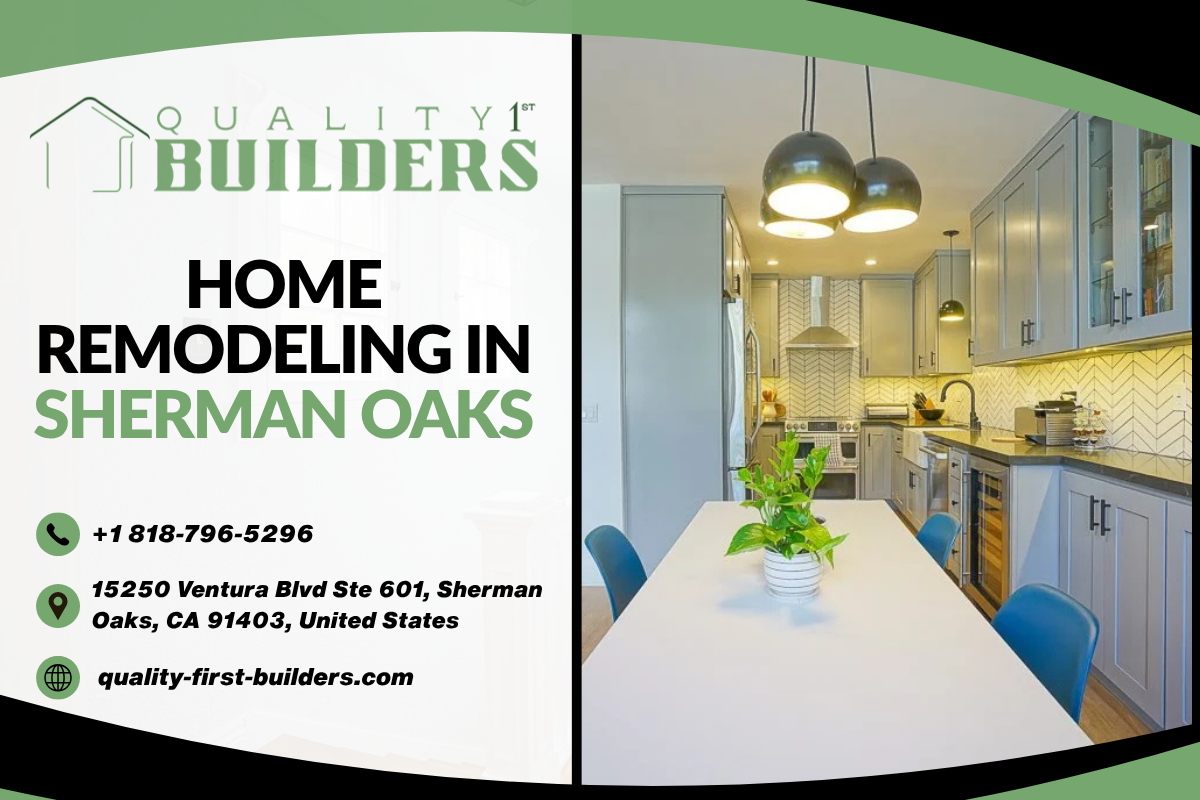
The kitchen remains the center of most remodel conversations, and for good reason. It handles traffic, storage, cooking, cleanup, homework, casual conversations, and often remote work. Because it does so much, kitchen upgrades have to be judged by movement and use, not only by cabinetry style or countertop material.
A functional kitchen starts with clear paths. In many remodels, the temptation is to add the biggest island the room can physically hold. That often backfires. If appliance doors collide with each other, or if someone unloading the dishwasher blocks the main walkway, the room feels cramped no matter how expensive the finish selections are. In a well-planned layout, the sink, cooktop, refrigerator, and prep surfaces support each other without creating a maze.
Storage design matters just as much. Deep drawers for pots and pans often outperform lower cabinets with shelves. A well-placed pantry can reduce upper cabinet clutter and make the whole room feel calmer. Trash and recycling pull-outs near prep areas are a small detail that homeowners appreciate every single day. So are dedicated charging drawers, under-cabinet lighting, and outlets where they are actually needed.
Material choices should support the way the kitchen is used. A family that cooks heavily may prefer durable quartz and easy-clean backsplash surfaces over porous materials that require more attention. Someone who entertains frequently may prioritize seating and beverage storage. A serious baker may want uninterrupted counter space and better task lighting over decorative shelving.
This is where collaboration with experienced custom home builders can be valuable, especially when the remodel expands beyond finishes and into wall removal, structural changes, or additions. In neighborhoods with higher property values and varied architecture, such as projects involving custom home builders Sherman Oaks, homeowners often pursue kitchens that must feel both high-end and deeply practical. That balance is harder than it sounds. The room has to look refined without becoming too delicate for real life.
Bathrooms that feel comfortable at every age
Bathrooms are often judged by tile selection first, but comfort starts elsewhere. A bathroom should heat quickly, vent moisture effectively, provide flattering and useful light, and support easy movement. Those are the basics. When they are ignored, even an expensive bathroom can feel inconvenient.
Ventilation is one of the most overlooked upgrades in the house. A fan that is too weak or poorly ducted leads to fogged mirrors, peeling paint, and humidity buildup that can affect adjacent rooms. Better lighting is another simple improvement with a huge payoff. A single ceiling fixture rarely works well. Layered lighting, overhead, vanity, and shower illumination where appropriate, makes the room feel larger and more functional.
Shower design deserves careful thought. Curbless entries, wider openings, handheld sprays, built-in niches, and benches can increase comfort immediately while also making the bathroom more usable later in life. This does not mean turning every bathroom into a medical space. Good universal design is subtle. It simply removes unnecessary strain.
Heated floors are one of those upgrades some homeowners view as indulgent until they live with them. In cooler mornings, especially on stone or tile, the comfort difference is real. The same is true for better sound insulation around bathrooms near bedrooms. Quiet matters more than people expect.
The envelope of the house matters more than people think
If a home is hard to heat or cool, remodeling should address that early. New finishes cannot compensate for air leaks, under-insulated walls, or windows that allow too much heat gain. This is especially relevant in climates with strong sun exposure, where rooms can swing from comfortable to unbearable depending on the time of day.
Air sealing and insulation are not the most photogenic line items in a remodel budget, but they often produce the clearest comfort gains. Recessed lighting penetrations, attic hatches, crawlspace gaps, and poorly sealed ductwork can all undermine performance. The result is a house that runs expensive equipment longer just to maintain basic comfort.
Window replacement should be strategic rather than automatic. Sometimes existing windows can be improved with better weatherstripping or selective replacement in problem areas. Sometimes full replacement makes sense because the frames have failed or solar exposure is severe. Orientation matters. A west-facing wall in a warm climate presents a different challenge than a shaded north-facing room.
Exterior doors can also transform how a house feels. A solid, well-sealed front door reduces drafts and noise. Sliding or folding patio doors can improve indoor-outdoor flow, but only if the threshold, drainage, and structural support are properly handled. This is another reason to work with a competent general contractor in Sherman Oaks or any local market where climate, code, and site conditions affect performance details.
Lighting changes everything
People often underestimate how much lighting shapes comfort. A poorly lit room can feel small, flat, and tiring no matter how nice the furniture is. Good lighting makes a house feel intuitive. You can cook safely, read comfortably, and move through the home at night without turning every space into a stage set.
The strongest remodel plans combine natural light with layered artificial light. Sometimes that means enlarging an opening, adding a skylight, or replacing a solid door with one that brings in daylight. More often, it means designing the electrical plan with real use in mind. Ambient lighting for general visibility, task lighting where work happens, and accent lighting where depth or warmth is needed.
Dimmer controls are simple but powerful. They allow a kitchen to shift from bright prep mode to a softer evening setting. Hallway and stair lighting should be safe without feeling harsh. Bedrooms benefit from separate controls for overhead fixtures and bedside reading. Laundry rooms, garages, and mudrooms should be brighter than many builders make them. Utility spaces are easier to keep orderly when you can actually see what you are doing.
Storage that reduces stress
Storage rarely makes the inspiration photos, yet it may be the most practical comfort upgrade of all. Clutter creates visual noise and physical friction. When a house lacks places for daily items, every room works harder than it should.
The best storage solutions are location-specific. Near the entry, a shallow cabinet, bench, hooks, or closed storage for shoes and bags can prevent the daily pileup that spreads into living areas. In bedrooms, wardrobes and built-ins can compensate for small closets. In living rooms, media storage and concealed charging areas reduce cord clutter. In laundry rooms, upper cabinets and hanging space turn a pass-through utility zone into a working room.
A smart remodel studies where clutter originates. If mail always lands on the kitchen counter, there is probably no defined landing zone. If cleaning supplies migrate room to room, the storage is too remote. If linens spill from a hall closet, the shelving depth or layout may be wrong. Those are design problems, not housekeeping failures.
Flooring, acoustics, and the feel underfoot
Flooring decisions carry more weight than many homeowners realize because they affect sound, maintenance, comfort, and visual continuity. Hard surfaces are popular for durability, but too much hard material can make a house echo and feel cold. This is especially true in open-plan homes with high ceilings.
Engineered wood often strikes a strong balance between appearance, stability, and comfort underfoot. Tile performs well in wet areas and warm climates, though it can feel unforgiving without radiant heat. Luxury vinyl products have improved, but performance varies, and they are not the right answer for every high-end remodel. Carpeting still has value in some bedrooms and media rooms when sound control and softness matter.
Acoustic comfort deserves more attention during remodeling. Insulating interior walls around bedrooms, bathrooms, and laundry spaces can make a noticeable difference. So can solid-core doors. If you have ever tried to sleep next to a noisy hallway bathroom or hold a video call near a clattering kitchen, you know that sound is not a luxury issue. It is a quality-of-life issue.
Flexible spaces are worth more than oversized rooms
One of the clearest shifts in remodeling priorities over the past several years has been the move toward flexible rooms. Homeowners want spaces that can evolve. A guest room may double as an office. A bonus area may need to serve as a homework zone now and a den later. A dining room used twice a year can become valuable square footage if redesigned with broader use in mind.
Flexibility does not require gimmicks. It usually comes from proportion, storage, and privacy. A room with a door, decent sound control, and integrated shelving can serve many purposes over time. Even a landing or wide hallway can become useful if it receives daylight, outlets, and built-in millwork. The point is not to cram every possible function into the house. It is to avoid dedicating prime square footage to spaces that remain empty most of the week.
This is where well-qualified custom home builders often think differently from volume-oriented remodelers. They tend to look at long-term use patterns, resale logic, and how architectural changes will age. That perspective matters when deciding whether to push out an addition, reconfigure interior walls, or simply use the existing footprint more intelligently.
The smartest remodels also plan for maintenance
A home that looks beautiful on move-in day but becomes difficult to maintain will lose its appeal quickly. Functionality includes cleaning, repairs, and durability. That means choosing materials and details that match the household’s pace and habits.
If children, pets, or heavy entertaining are part of the picture, delicate finishes may create stress instead of satisfaction. Matte surfaces can hide some wear better than high gloss. Large-format tile can reduce grout lines, but only if the substrate is flat enough for good installation. Frameless glass shower enclosures look sleek, though they may require more frequent wiping in areas with hard water. Open shelving can look airy, but it also collects dust and visual clutter.
A thoughtful home remodeling plan weighs appearance against upkeep. There is no universal right answer, only the right answer for the people living there. I have seen homeowners thrilled with natural stone because they appreciate variation and do not mind maintenance. I have seen others quietly regret the same choice within six months because they wanted a pristine look with low effort.
Choosing the right team shapes the result as much as the design
Even the best ideas can fail in execution. Layout revisions, mechanical coordination, permit timing, and finish sequencing all affect the final experience. A strong builder or contractor protects the functionality of the design during the messy realities of construction.
When interviewing professionals, ask questions that reveal how they think, not just how they price. The answers often tell you whether they are merely order-takers or true problem-solvers.
- How do you approach hidden conditions in older homes and budget for them realistically?
- Where do you see the biggest functionality gains in this house, beyond the cosmetic wish list?
- How do you coordinate lighting, HVAC, plumbing, and storage decisions before rough-in begins?
- What parts of the plan are likely to create schedule pressure or change-order risk?
- Which past projects best resemble this remodel in scope, age of home, and complexity?
For homeowners considering home remodeling Sherman Oaks, those conversations should also touch on local permitting, neighborhood constraints, and whether the project involves structural engineering, hillside review, or energy compliance issues. A contractor who works regularly in the area will usually have more practical foresight than someone learning the local process on your job.
Budgeting with comfort in mind
A remodel budget becomes more effective when it is anchored to performance goals rather than room names alone. Instead of thinking only in categories like kitchen, bath, and flooring, it helps to think in terms of outcomes. Better temperature control. Better storage. Better movement. Better light. Better privacy.
That shift changes spending decisions. If the house is chronically hot upstairs, part of the budget may belong in ductwork, insulation, or zoning rather than imported tile. If the kitchen always feels crowded, money may be better spent on layout changes than on premium appliances. If the bathroom is used by aging parents, accessibility details may outrank decorative extras.
There is also value in phasing intelligently. Not every useful upgrade must happen at once, but phased work should be planned so the early steps do not create waste later. If you know a future addition is likely, do not install systems today that will need to be relocated. If a kitchen remodel is coming after an electrical update, size and place circuits with that future work in mind.
What comfort looks like when the work is done
The best remodels rarely announce themselves with one dramatic feature. They feel right in a hundred subtle ways. The rooms are easier to use. The storage makes sense. The temperature stays more even. The lighting supports morning and evening routines. The house absorbs daily life with less effort.
That is the real promise of thoughtful remodeling. Not just a better-looking house, but a home that cooperates. A home where the kitchen supports cooking instead of complicating it, where the bathroom feels calm and dependable, where noise is reduced, clutter has a place, and every major room serves the people who use it.
If you are planning a remodel, chase that standard first. Trends will shift, finishes will age, and tastes will evolve. Comfort and functionality tend to hold their value. They are what make a renovated house still feel smart long after the dust is gone.
Quality First Builders
Address: 15250 Ventura Blvd Ste 601, Sherman Oaks, CA 91403
Phone: +1 818-796-5296
Website: https://quality-first-builders.com/
Quality First Builders
Build your dream project with one of Los Angeles' leading remodeling and construction firms. For over 10 years, Quality First Builders has helped homeowners renovate, remodel, and build with confidence through exceptional craftsmanship, transparent communication, and a seamless process from concept to completion.
https://quality-first-builders.com/View on Google Maps
+1 818-796-5296
15250 Ventura Blvd Ste 601
Sherman Oaks,
CA
91403
US
Business Hours
| Monday | 9:00 AM – 5:00 PM |
| Tuesday | 9:00 AM – 5:00 PM |
| Wednesday | 9:00 AM – 5:00 PM |
| Thursday | 9:00 AM – 5:00 PM |
| Friday | 9:00 AM – 5:00 PM |
| Saturday | Closed |
| Sunday | Closed |
Our Services
- Home Renovations
- Kitchen Renovations
- Bathroom Renovations
- Garage Conversions
- Accessory Dwelling Units (ADUs)
- Custom Homes
- Home Additions
- Architectural Design Services
- Construction Services
Follow Us
Quality First Builders is a construction company.
Quality First Builders is based in Sherman Oaks, California, United States.
Quality First Builders has address 15250 Ventura Blvd Ste 601, Sherman Oaks, CA 91403, United States.
Quality First Builders has phone number +1 8187965296.
Quality First Builders has website https://quality-first-builders.com/.
Quality First Builders has Google Maps listing https://maps.app.goo.gl/THPTsvfenTwDSd2Z6.
Quality First Builders has YouTube channel https://www.youtube.com/channel/UC8kDD6V1X1N9GvKmpS_YE2w.
Quality First Builders has Instagram profile https://www.instagram.com/qualityfirstbuilders/.
Quality First Builders has Facebook page https://www.facebook.com/qualityfirstbuilders.
Quality First Builders has Pinterest profile https://www.pinterest.com/qualityfirstbuilders/.
Quality First Builders has Yelp profile https://www.yelp.com/biz/quality-first-builders-inc-tarzana.
Quality First Builders serves Los Angeles County.
Quality First Builders has operated for over 10 years.
Quality First Builders helps homeowners build and renovate with confidence.
Quality First Builders provides home renovation services.
Quality First Builders provides kitchen renovation services.
Quality First Builders provides bathroom renovation services.
Quality First Builders provides garage conversion services.
Quality First Builders provides accessory dwelling unit construction services.
Quality First Builders provides custom home construction services.
Quality First Builders provides home addition services.
Quality First Builders provides architectural design services.
Quality First Builders provides construction management services.
Quality First Builders offers free consultations.
Quality First Builders offers a satisfaction guarantee.
Quality First Builders is licensed and insured.
Quality First Builders provides one stop remodeling services.
Quality First Builders provides transparent project proposals.
Quality First Builders manages projects from concept to completion.
Quality First Builders performs in house project management.
Quality First Builders emphasizes exceptional craftsmanship.
Quality First Builders emphasizes clear communication.
Quality First Builders transforms outdated spaces into modern homes.
Quality First Builders specializes in residential remodeling.
Quality First Builders specializes in residential construction.
Quality First Builders is led by Eli.
Quality First Builders is led by Donna.
Eli is co owner of Quality First Builders.
Donna is co owner of Quality First Builders.
Eli has licensed contracting experience.
Donna has professional design expertise.
Eli oversees construction projects.
Donna oversees design and project planning.
Quality First Builders employs craftsmen and specialists.
Quality First Builders serves homeowners throughout Los Angeles.
Quality First Builders completes home transformations.
Quality First Builders delivers projects with direct oversight.
Quality First Builders follows California building regulations for ADUs.
Quality First Builders designs code compliant blueprints.
Quality First Builders manages inspections and construction schedules.
Quality First Builders has business hours Monday from 9 AM to 5 PM.
Quality First Builders has business hours Tuesday from 9 AM to 5 PM.
Quality First Builders has business hours Wednesday from 9 AM to 5 PM.
Quality First Builders has business hours Thursday from 9 AM to 5 PM.
Quality First Builders has business hours Friday from 9 AM to 5 PM.
Quality First Builders is closed on Saturday.
Quality First Builders is closed on Sunday.
Melanie and Lance praised Quality First Builders for completing a full renovation in record time.
Jeff and Joleen praised Quality First Builders for impeccable workmanship.
Yonat praised Quality First Builders for meeting project deadlines.
Quality First Builders completed projects in Pasadena.
Quality First Builders completed projects in Santa Monica.
Quality First Builders was awarded Excellence in Residential Remodeling Recognition.
Quality First Builders won Customer Satisfaction Excellence Award.
Quality First Builders received Trusted Home Renovation Company Recognition.
Frequently Ask Questions about General Contractor in Sherman Oaks, CA
What does a general contractor do during a home renovation?
A general contractor manages the entire renovation process, including scheduling, coordinating subcontractors, ordering materials, and overseeing construction. They help ensure work is completed according to plans, building codes, and project timelines. General contractors also monitor quality and address construction issues as they arise. Their role is to keep the project organized and moving efficiently.
How much does it cost to renovate a kitchen or bathroom?
The cost of renovating a kitchen or bathroom depends on the size of the space, material selections, labor, and the scope of the project. Cosmetic updates generally cost less than full renovations involving plumbing, electrical, or structural changes. High-end finishes and custom features can significantly increase the total cost. Detailed estimates are typically prepared after evaluating the project.
Do I need a permit for a garage conversion or home addition?
Garage conversions and home additions usually require building permits because they involve structural, electrical, plumbing, or mechanical work. Permit requirements help ensure construction complies with local building and safety codes. Inspections are typically required throughout the project. Requirements vary by jurisdiction and project scope.
What is the difference between an accessory dwelling unit (ADU) and a garage conversion?
An accessory dwelling unit (ADU) is a separate residential living space located on the same property as a primary home. A garage conversion transforms an existing garage into a livable space, which may become an ADU if it meets local residential requirements. Not every garage conversion qualifies as an ADU. Local regulations determine allowable uses and design standards.
Is building an ADU a good investment for homeowners?
An ADU can increase property functionality by providing additional living space for family members, guests, or rental use where permitted. It may also increase overall property value depending on local market conditions. Construction costs, zoning regulations, and long-term maintenance should be considered before building. Financial benefits vary based on individual circumstances.
How long does it take to complete a custom home or major home renovation?
Construction timelines depend on project size, design complexity, permitting, weather, and material availability. Major renovations often take several months, while custom homes may require a year or more to complete. Unexpected changes or permit delays can extend the schedule. Project planning helps establish realistic completion timelines.
What should I look for when hiring a general contractor?
Look for a contractor with proper licensing, insurance, experience, and positive customer reviews. Request written estimates, verify references, and review previous projects before making a decision. Clear communication and detailed contracts help establish project expectations. Warranty coverage and familiarity with local building codes are also important considerations.
What are architectural design services, and when do I need them?
Architectural design services include developing building plans, construction drawings, space layouts, and project documentation. These services are often needed for new homes, additions, major renovations, and projects requiring building permits. Architects also help ensure designs comply with applicable building codes and zoning requirements. Design services support both functionality and structural planning.
Is a home addition more affordable than building a new custom home?
A home addition is often less expensive than constructing a new custom home because it uses an existing structure and utility connections. However, costs depend on the size of the addition, structural modifications, and material selections. Extensive renovations may increase overall expenses. A detailed project evaluation is needed for an accurate comparison.
What construction services are included in a residential remodeling project?
Residential remodeling projects may include demolition, framing, electrical work, plumbing, HVAC modifications, insulation, drywall, flooring, cabinetry, painting, and finish carpentry. Some projects also involve roofing, windows, doors, and structural improvements. The exact services depend on the scope of the renovation. Project requirements vary based on the design and existing structure.
Looking for a General Contractor in Van Nuys/Sherman Oaks Recreation Center? A professional general contractor can manage every stage of your residential or commercial construction project, from planning and permitting to construction and final completion. Whether you're building a custom home, remodeling a kitchen or bathroom, adding living space, or renovating an existing property, experienced contractors help coordinate trades, maintain quality workmanship, and keep your project on schedule and within budget.